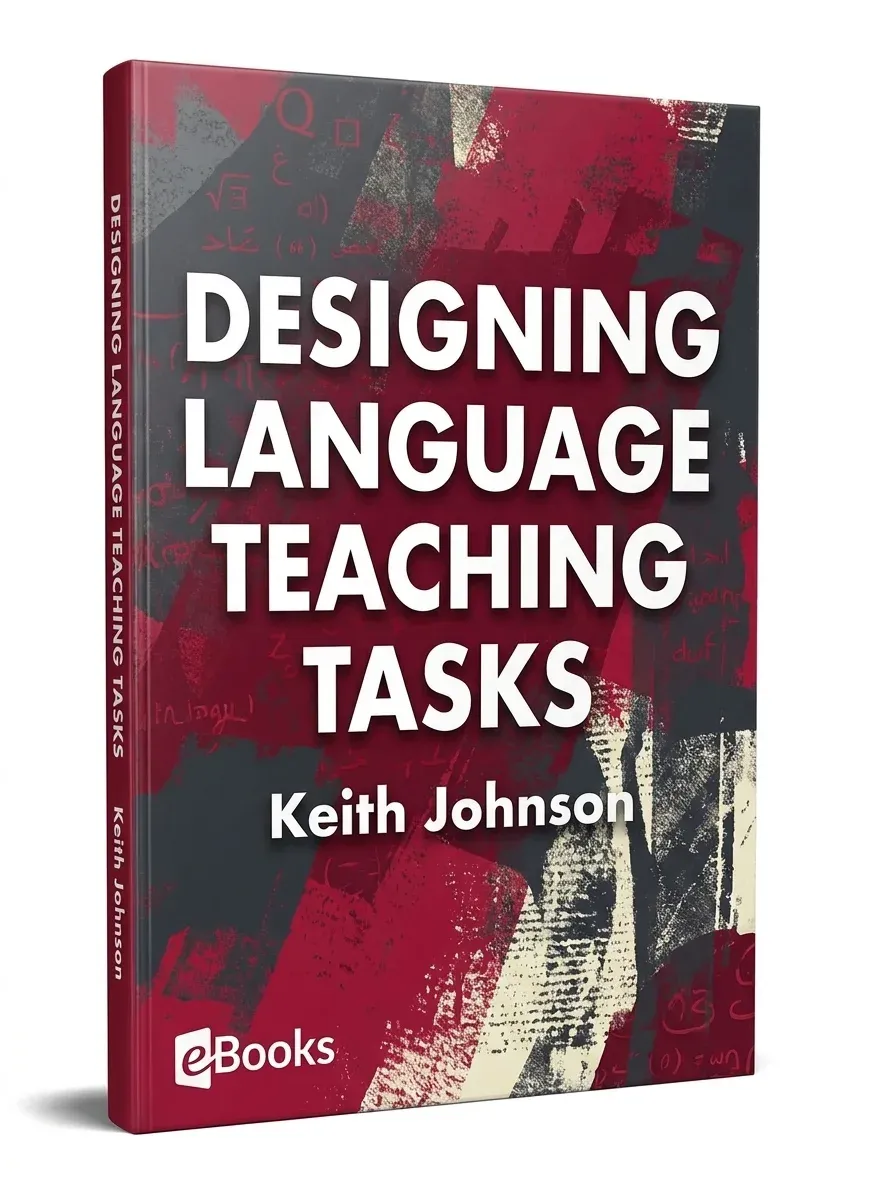
Designing Language Teaching Tasks begins with understanding that effective tasks bridge classroom learning and real-world communication. A well-structured task engages learners in meaningful interaction, problem-solving, or creative output, moving beyond rote memorization. When designing language teaching tasks, instructors must consider learner proficiency, context, and desired outcomes. Tasks should have clear objectives, authentic materials, and opportunities for feedback. This approach transforms passive knowledge into active use, boosting retention and motivation. Whether for young learners or adults, thoughtful design ensures tasks are achievable yet challenging, fostering both fluency and accuracy.
Core Principles for Effective Task Design
Every successful task starts with a purpose: to inform, persuade, solve, or create. Align tasks with learning outcomes—for example, using a restaurant role-play to practice ordering food. Ensure tasks are learner-centered, allowing multiple solutions and peer collaboration. Complexity should match proficiency; beginners need structured support (e.g., sentence frames), while advanced learners thrive with open-ended problems. Finally, build in reflection time so students notice language gaps and self-correct.
Task Types and Real-World Relevance
Diverse task types cater to different skills: information gap, opinion exchange, reasoning-gap, and project-based tasks. For instance, planning a class event teaches negotiation and sequencing. When designing language teaching tasks, mimic authentic scenarios—writing emails, giving directions, or comparing data from charts. Relevance boosts engagement because learners see immediate use. Digital tools like polls or shared documents can enhance interaction, but simplicity often works best. Rotate task types to sustain interest and cover all language domains.
Scaffolding and Differentiation Strategies
Not all learners progress equally. Scaffolding means breaking tasks into stages: pre-task (vocabulary priming), task cycle (group work), and language focus (error correction). Provide visual aids, sentence starters, or audio models for lower levels. For advanced learners, remove supports and add time pressure or unexpected twists. Designing language teaching tasks with differentiation ensures inclusion—pair weaker with stronger students, or offer choice boards. This reduces anxiety and builds confidence, allowing each learner to participate meaningfully.
Assessment and Feedback Integration
Tasks double as assessment tools when criteria are transparent. Use checklists or rubrics measuring task completion, language use, and collaboration. Immediate feedback—peer or teacher—guides improvement without interrupting flow. After tasks, hold a debrief: What worked? What language emerged? Avoid over-correcting; focus on patterns. Designing language teaching tasks with built-in feedback loops turns mistakes into learning moments. Track progress over time using task portfolios, showing tangible growth in fluency and accuracy.
Adapting Tasks for Digital and Hybrid Classrooms
Digital platforms expand possibilities: breakout rooms for role-plays, shared docs for collaborative writing, or forums for asynchronous debates. When designing language teaching tasks for online settings, prioritize clarity—write instructions, model the task, and set time limits. Use polls, quizzes, or interactive whiteboards to simulate real-time interaction. For hybrid classes, ensure remote and in-person students collaborate equally. Keep tasks short (10–15 minutes) to maintain focus. Technology should serve the task, not distract—always test tools beforehand. With creativity, digital tasks build the same skills as face-to-face, plus digital literacy.